
Cancer Pain
Gentle, practical help with pain related to cancer, including options such as coeliac plexus block when medicines are not enough.
- Pain relief
- Coeliac plexus block
- Nerve blocks
Conditions we treat
Chronic back pain, neck pain and sciatica can affect sleep, work and mood. When medicines and physiotherapy have not been enough, targeted injections such as a nerve root block or a facet joint injection can reduce pain and help you move more comfortably, often without surgery.
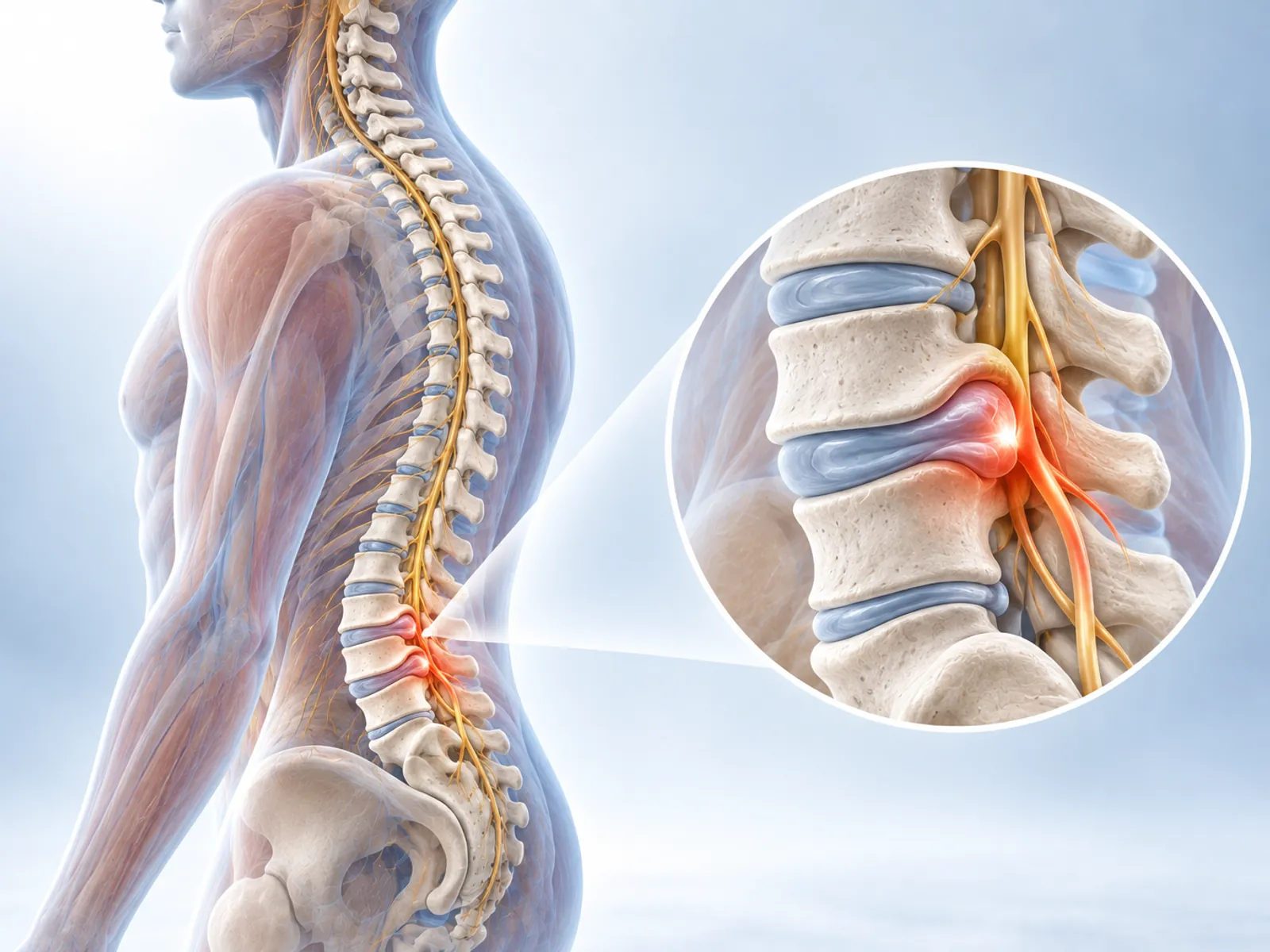
Pain that lasts more than about three months is called chronic pain. In the back and neck it often comes from an irritated nerve root (for example from a slipped disc), wear in the small joints at the back of the spine (facet joints), or the joint between the spine and pelvis (the sacroiliac or SI joint).
When a nerve root in the lower back is irritated, pain can travel down the leg. This is called sciatica. A similar problem in the neck can send pain, numbness or tingling down the arm. Joint pain in the spine tends to cause a deep ache that is worse with certain movements.
Consider booking a consultation if:
Every assessment starts with listening. We take the time to understand the full picture before suggesting anything.
Consultation
You sit down with the specialist and talk through your symptoms, your concerns and what you would like to achieve.
Your history
We ask about your health, past illnesses, medicines, family history and daily routine, as these often explain the problem.
Examination
A gentle, careful examination of the affected area, done in privacy.
Review of your reports
We go through any previous scans, test results and prescriptions you bring, so nothing is repeated without need.
Tests, only if needed
If more information would help, your specialist will explain which test is advised and why.
Your specialist will review any MRI or CT scans you have. If you have not had one and it would help, they will explain whether a scan is needed.
Treatment depends on the cause and how much it affects your life. Your specialist will explain each suitable option simply, including its benefits and risks, so you can decide together.
Most back and neck pain improves with the right medicines, posture advice and a structured exercise or physiotherapy programme. These remain important alongside any other treatment.
A small amount of medicine (local anaesthetic, often with a steroid) is placed precisely around an irritated spinal nerve root, using image guidance, to calm inflammation and pain. It is commonly used for sciatica and arm pain.
Medicine is injected into or around the small joints at the back of the spine that can cause back or neck pain.
Medicine is placed into the sacroiliac joint, where the spine meets the pelvis, a common source of low back and buttock pain.
If a procedure is recommended, your specialist will explain it and arrange it at a hospital, and you will continue your follow-up here at Vessels Clinic.
No. It is an injection placed precisely using image guidance. There is no cut, and it is usually done under local anaesthesia.
It varies. Some people have relief for weeks to months; others need a repeat injection or a different approach. Your response helps guide the next step.
Not necessarily. Bring any scans you already have. If a scan would help, your specialist will explain why.
Explore
Gentle, practical help with pain related to cancer, including options such as coeliac plexus block when medicines are not enough.
Leg pain while walking and poor blood circulation in the legs caused by narrowed arteries, with options including angioplasty and stenting.
Circulation problems, numbness and foot wounds in people with diabetes, assessed early to protect the foot.
Message us on WhatsApp or call the clinic to book an unhurried consultation with the specialist.